Ecosystem framework for Samsung Galaxy
Samsung partnered with our team during the development of the Galaxy S III to define a scalable mobile ecosystem framework that could unify branded content, utility, and responsive interaction patterns across emerging smartphone experiences. At the time, mobile platforms were rapidly evolving, and Samsung sought to establish a differentiated design language that balanced simplicity, flexibility, and utility while supporting a broad range of content and device behaviors.
Beacon was conceived as a modular mobile ecosystem prototype: a personalized, responsive environment that combined information discovery, entertainment, utility, and commerce into a cohesive branded experience. The work explored how structured visual systems, modular interaction frameworks, and scalable information hierarchy could support evolving mobile behaviors long before many of these conventions became industry standards.
The resulting system shipped globally as part of Samsung’s Galaxy ecosystem initiatives and influenced the visual and interaction language of Samsung Galaxy experiences and marketing for multiple generations afterward.
Role
Senior Art Director
Owned
Modular system architecture
Visual language development
UI patterns and interaction design
Responsive behaviors
Prototyping and motion direction
Iconography system
Visual identity standards
Contributed to
Wireframing
Handoff standards
Governance frameworks
Implementation QA
Client presentations

Challenge
The challenge was to create a scalable mobile interaction framework before the final hardware and operating-system experience had fully materialized.
Samsung needed a system that could:
Adapt across evolving mobile contexts and screen behaviors
Support multiple content types within a unified framework
Balance utility and branded expression
Remain lightweight for bandwidth-conscious users
Scale globally across future devices and marketing surfaces
Create reusable structures that could evolve over time
The solution required more than individual screens. It required a flexible visual system grounded in modularity, hierarchy, and implementation-aware design logic.
Modular System Architecture
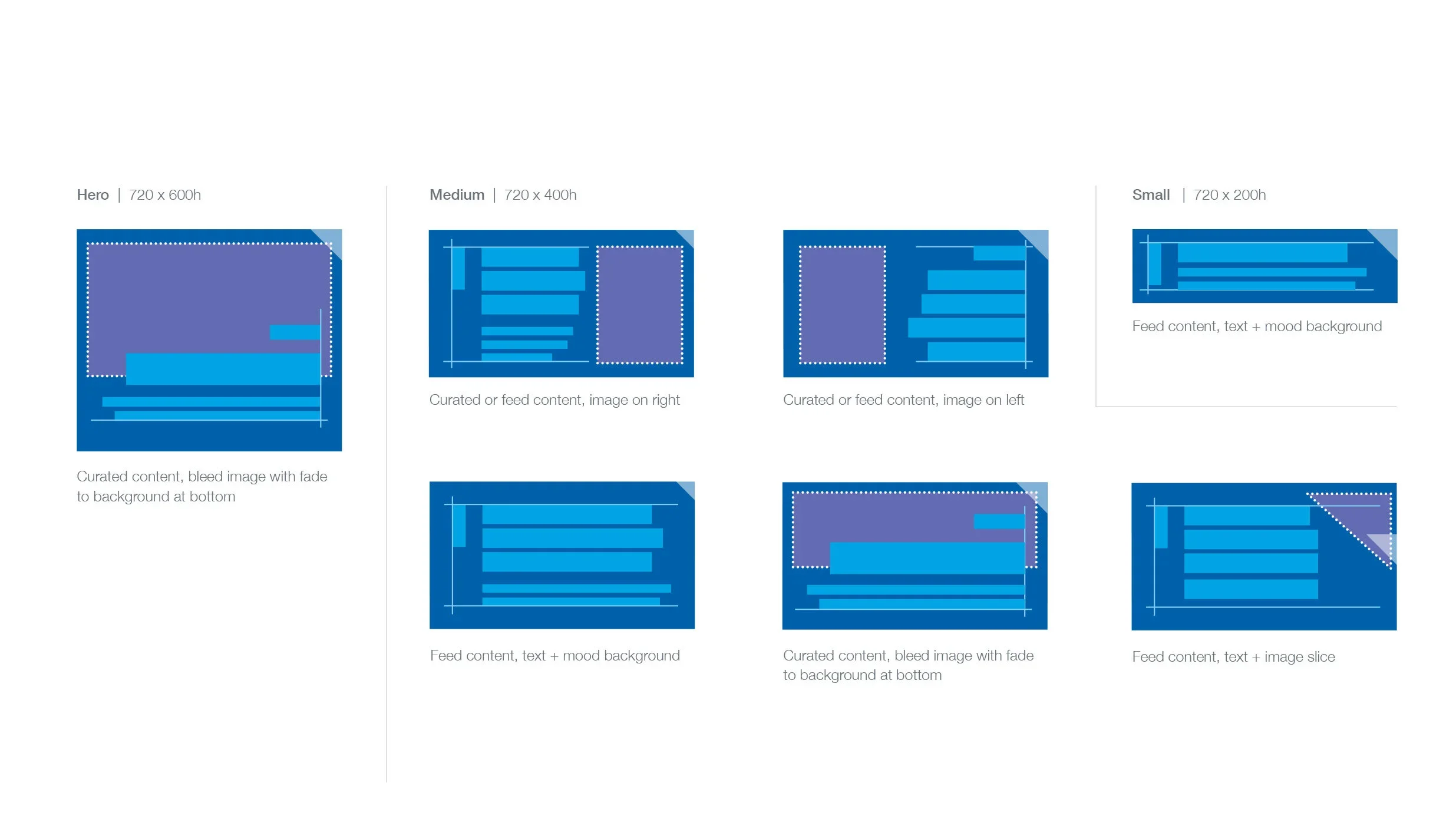
The foundation of Beacon was a modular design system built around editorial grid logic, responsive component behavior, and structured information hierarchy. Inspired by newspapers, dashboard systems, and emerging mobile interaction patterns, the framework was designed to help users quickly parse and prioritize information while maintaining a cohesive branded experience.
The system included:
Defined grid structures
Typographic hierarchy standards
Responsive layout rules
Reusable templates and modules
Component states and scaling behaviors
Spacing and alignment systems
Structured content relationships
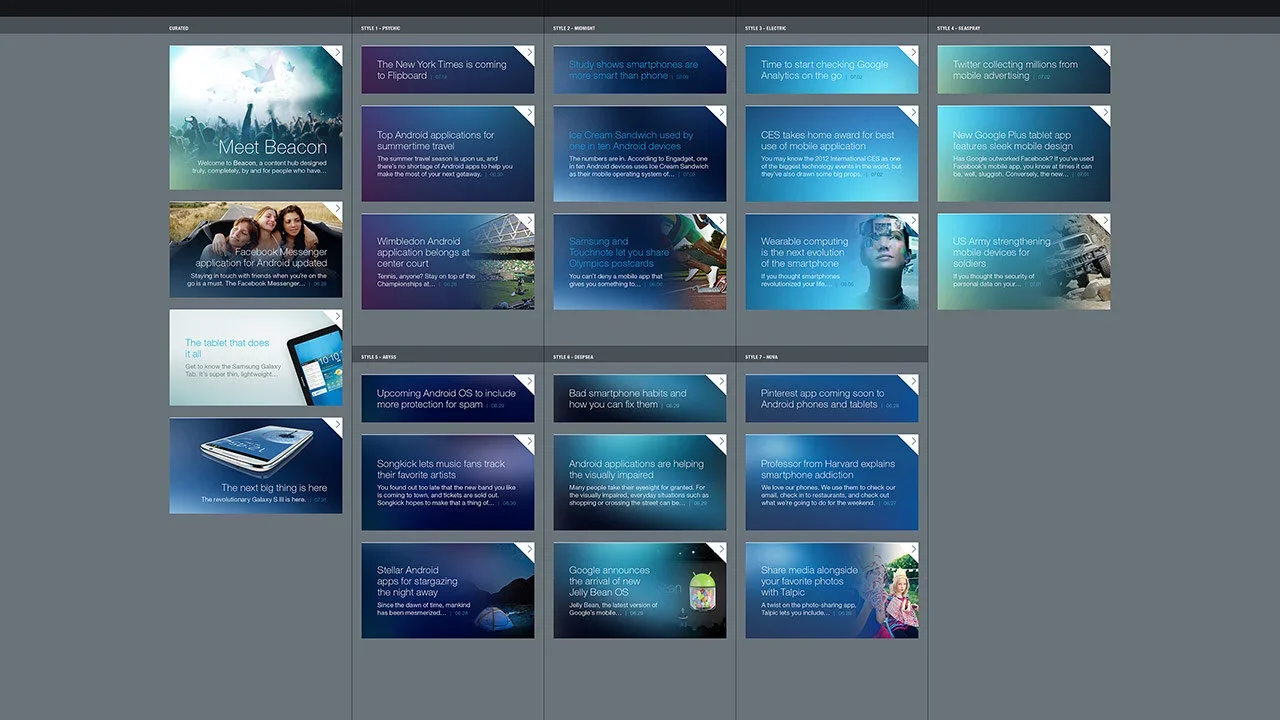
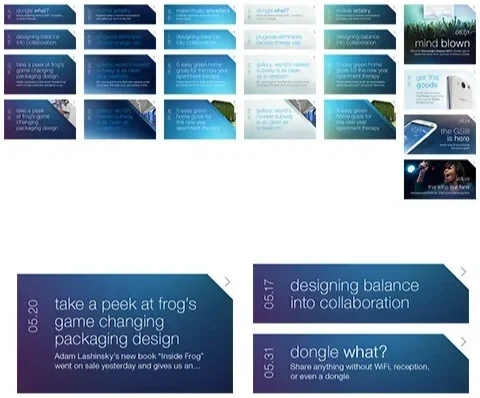

A major focus of the work was information clarity. Extensive user testing helped identify which content users prioritized most frequently, including weather, news, scheduling, and entertainment content. The interface was designed to surface information quickly through clear hierarchy, restrained visual language, and lightweight interaction behaviors.
The experience intentionally balanced the familiarity of editorial layouts with the flexibility of responsive mobile dashboards. Content modules were designed to feel structured and predictable while remaining adaptable enough to support future interaction models and evolving device capabilities.
The system also anticipated emerging mobile behaviors tied to NFC-enabled interactions, personalized content delivery, and mobile commerce workflows.
Information Design & Interaction Framework
Iconography & Visual Language
I developed the iconography system and broader visual language standards for Beacon, establishing a scalable symbolic framework that distilled Samsung’s emerging mobile identity into clear, reusable interface elements.
The iconography emphasized :
Reduction and clarity
Consistent geometric construction
Legibility across sizes and contexts
Flexible application across utilities, navigation, media, and commerce
The visual system prioritized restraint, structure, and consistency over decorative treatment, helping unify the experience across modules, templates, and interaction states.
Many of the visual and interaction principles explored through Beacon were later reflected in Samsung Galaxy marketing and ecosystem design language.
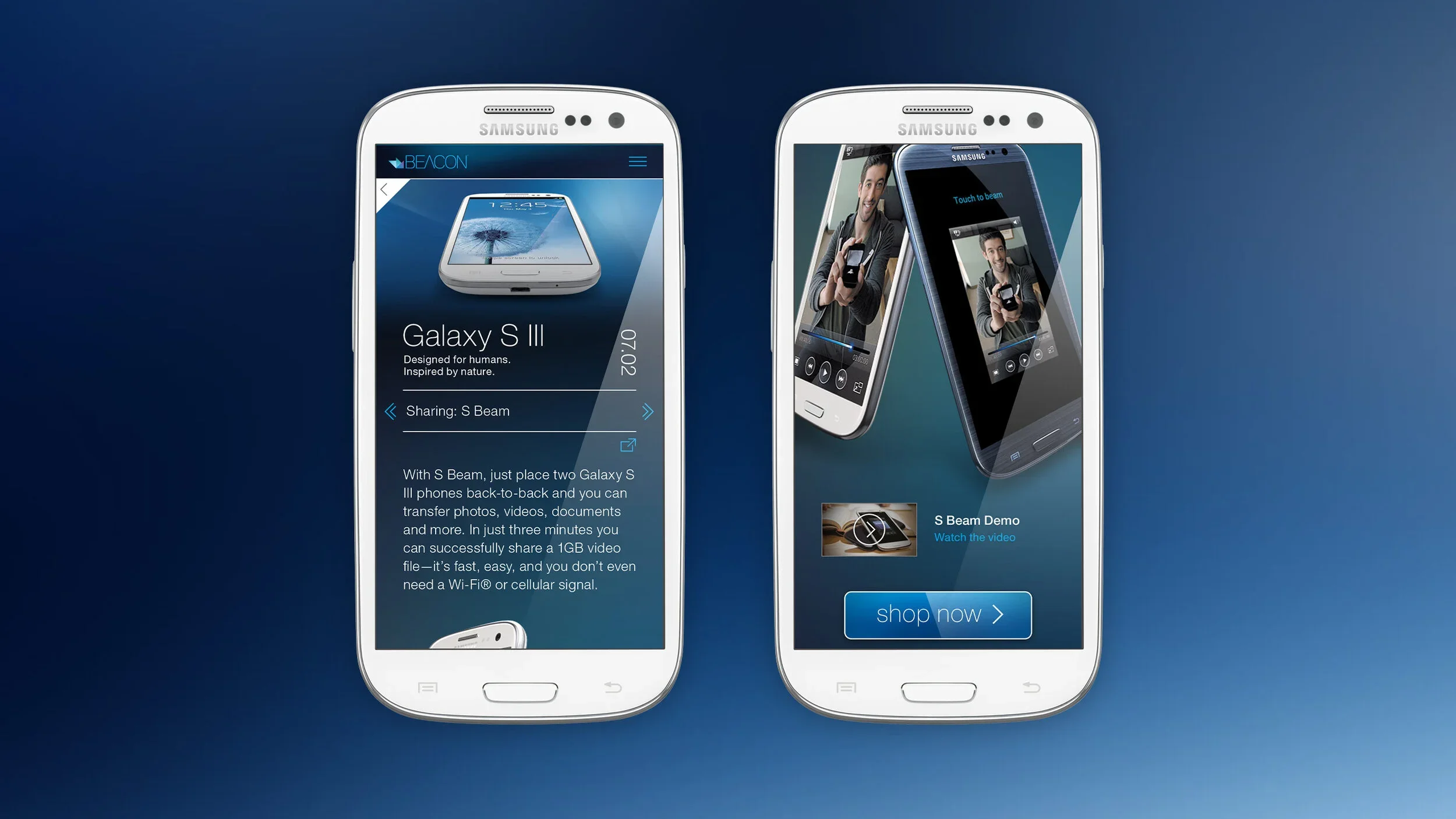
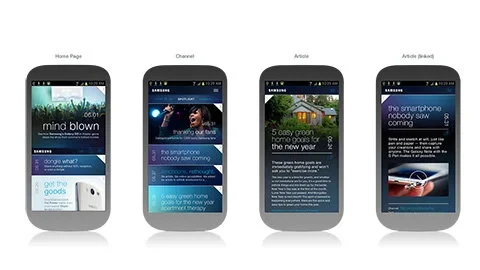

Prototyping played a central role throughout the project, enabling rapid iteration, validation of responsive behaviors, and implementation testing across evolving technical constraints.
Prototyping & Engineering Collaboration
I worked closely with front-end engineers during concepting, prototyping, and production to refine reusable component structures, validate interaction behaviors, and ensure implementation feasibility throughout development.
This collaboration extended through implementation QA and production refinement, helping maintain consistency between system logic, visual execution, and front-end behavior.
Documentation & Handoff
To support scalable implementation across distributed teams, I contributed to detailed redline systems, documentation frameworks, and implementation specifications designed to reduce ambiguity during production.
The handoff process emphasized:
Clear annotation systems
Reusable module standards
Consistent spacing and alignment rules
Plain-language documentation
Structured implementation guidance for engineering teams
By minimizing unnecessary variation across modules and templates, the system allowed engineering teams to focus on reusable structures while enabling content and design teams to work efficiently within established standards.
Impact
Shipped globally as part of Samsung’s Galaxy ecosystem initiatives during the Galaxy S III era.
Established modular visual and interaction frameworks that influenced subsequent Samsung Galaxy marketing and ecosystem design language.
Created scalable systems adaptable across evolving mobile content types, interaction models, and device contexts.
Helped define early NFC-enabled mobile interaction paradigms during a formative period in smartphone ecosystem design.
Demonstrated how modular design systems, structured information hierarchy, and responsive visual frameworks could support long-term scalability across branded digital ecosystems.